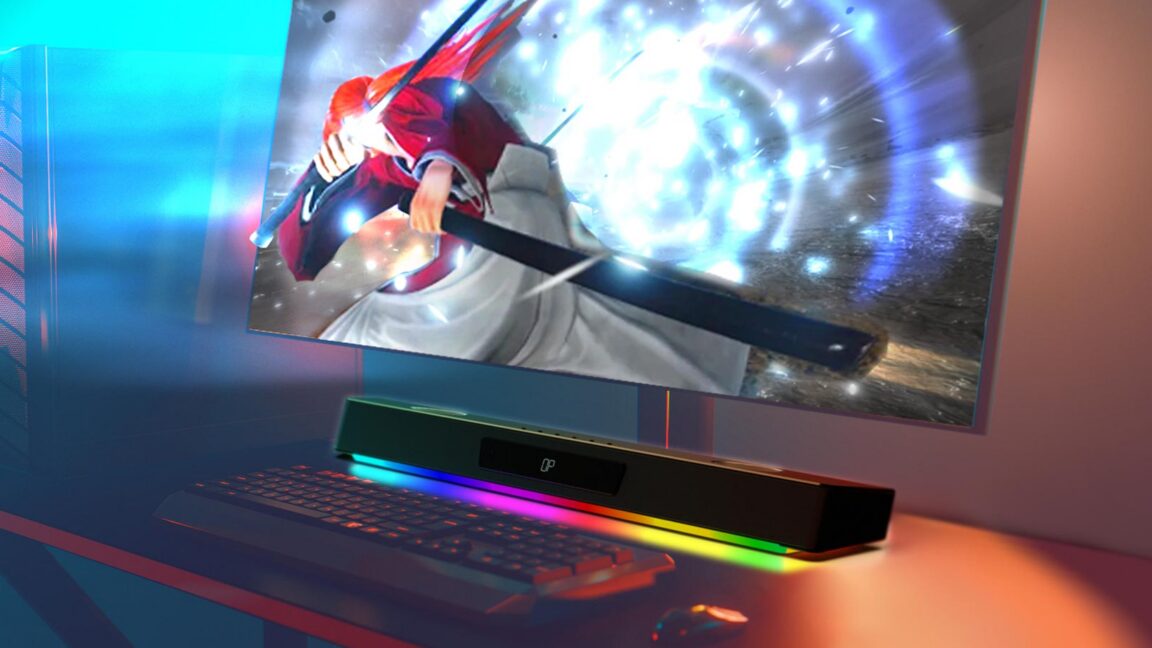
“A USB-connected speaker can compromise PC security through a previously unknown vulnerability, raising concerns about hardware supply chain risks. The manufacturer disputes calling it a vulnerability, highlighting a gap between security researchers and hardware vendors on threat classification that impacts consumer device safety.”
Key Takeaways
- Sound Blaster Katana V2X speaker can infect connected PCs remotely without user interaction
- Manufacturer disputes vulnerability classification, creating disagreement over hardware security standards
- Attack highlights supply chain risks in consumer electronics and IoT devices
Sound Blaster speaker vulnerability allows remote PC infection without user interaction.
trending_upWhy It Matters
This incident underscores critical vulnerabilities in hardware ecosystems where manufacturers and security researchers disagree on threat definitions. As AI systems increasingly rely on connected devices and peripheral hardware, understanding and addressing such security gaps becomes essential for protecting AI infrastructure and consumer data from unauthorized access.
FAQ
How does the speaker infect a PC?
The article doesn't specify the exact mechanism, but indicates the infection occurs through the USB connection without requiring user action or interaction with the device.
Why doesn't the manufacturer consider this a vulnerability?
The article states the seller doesn't consider the behavior a vulnerability but doesn't elaborate on their specific reasoning or security classification rationale.