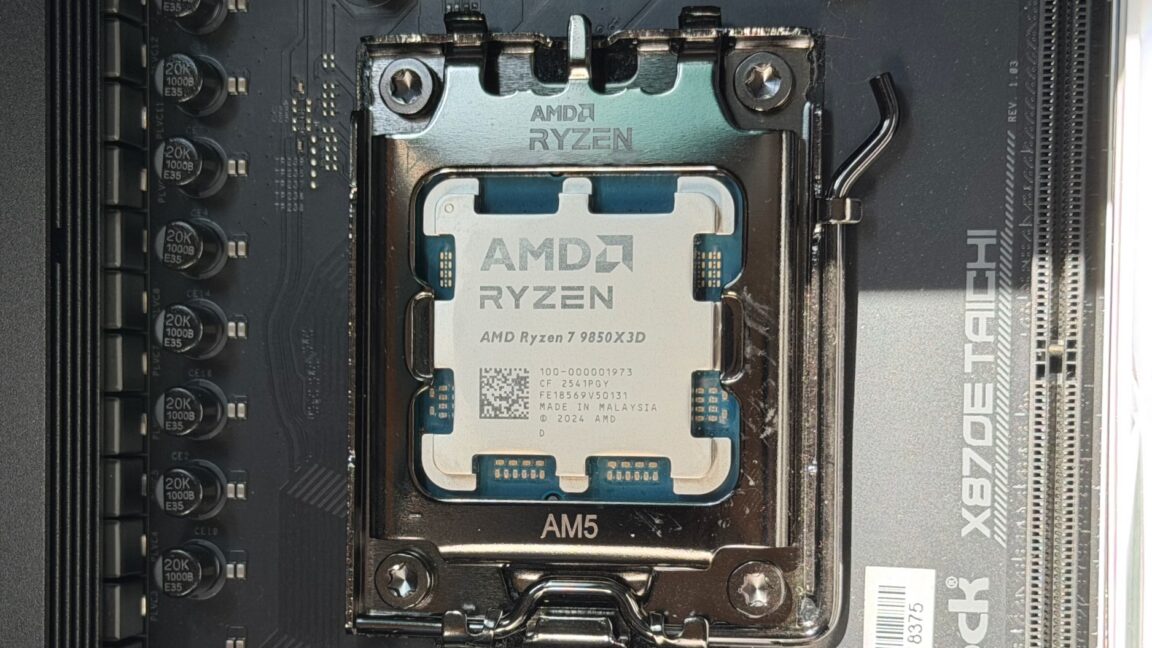
“AMD has covertly removed TSME (Total System Memory Encryption) from its consumer CPUs, a move that appears intentional and deliberate. This decision has frustrated users who relied on the security feature, raising questions about AMD's transparency in hardware modifications and feature availability across product lines.”
Key Takeaways
- AMD removed TSME memory encryption from consumer CPUs without clear notification.
- The removal appears deliberate and covert, not an accidental omission.
- Users are expressing frustration over lost security features and lack of transparency.
AMD secretly stripped memory encryption from consumer processors, sparking user backlash.
trending_upWhy It Matters
This incident highlights important concerns about hardware transparency and security features in consumer processors. When manufacturers quietly remove security capabilities, it undermines user trust and raises questions about what other features might be modified without notice, directly impacting the reliability and value of consumer computing platforms.
FAQ
What is TSME and why does it matter?
TSME (Total System Memory Encryption) is a security feature that encrypts system memory. Its removal reduces security protections for consumer CPU users.
Why is AMD being criticized for this move?
AMD made the change covertly without transparent communication, making users feel deceived about the features they purchased.