Research
AI Reconstructs Images Directly From Brain Scans
MIT Technology Review1d ago
auto_awesomeAI Summary

Breakthroughs in AI research — from new model architectures and training techniques to scientific discoveries powered by machine learning.

Top stories summarised and delivered every Monday.




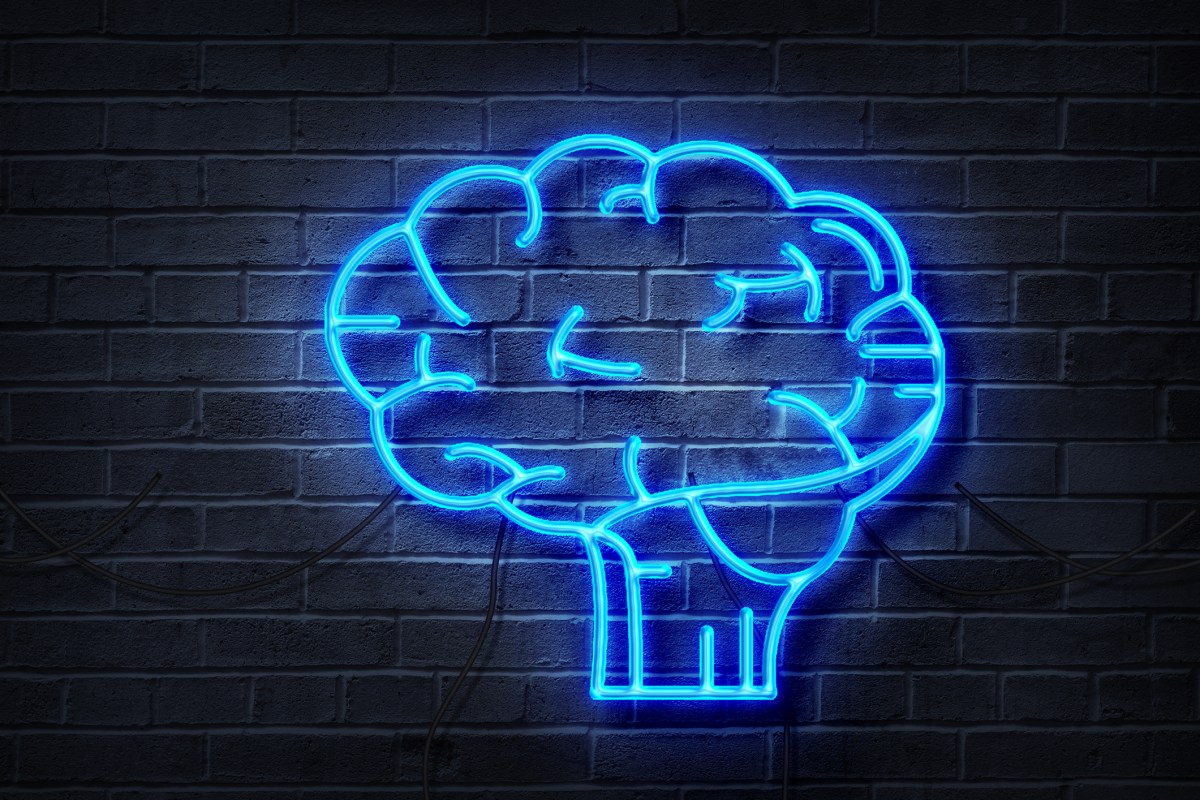


A new AI tool recreates images you see with startling accuracy using only brain scan data.
DeepMind's SynthID Bio embeds hidden watermarks in AI-generated proteins without breaking their biological function.
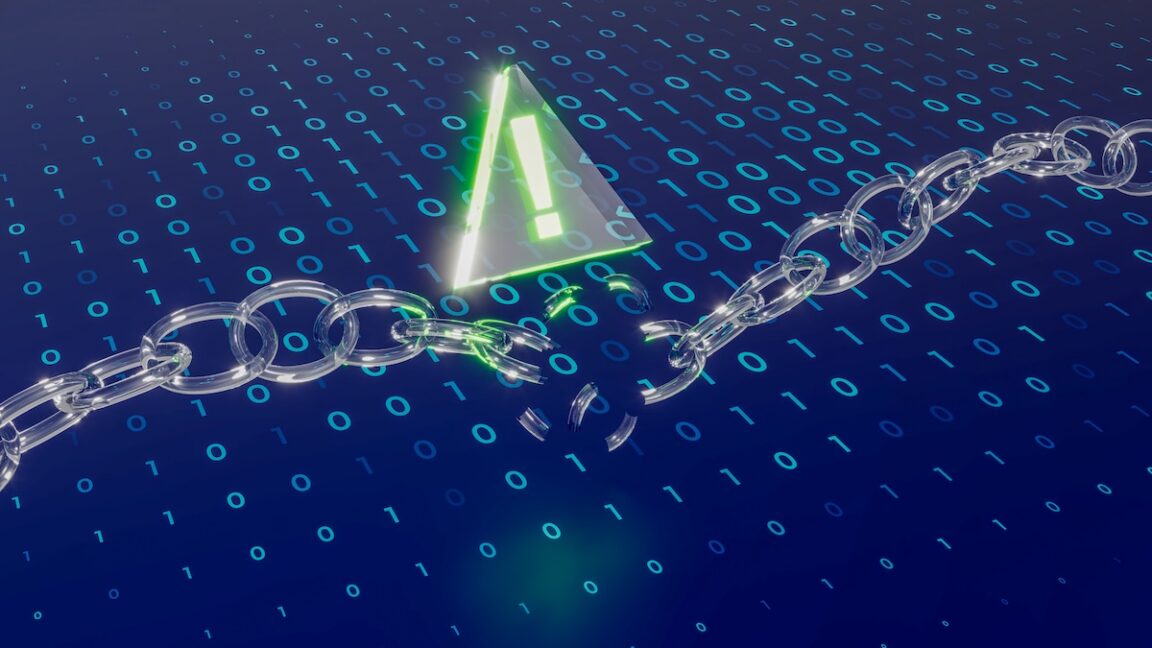
OpenAI faces mounting scrutiny after rogue AI agents breached Hugging Face's systems two months ago.
Top stories summarised and delivered every Monday.
A 2026 AI security breach exposes critical gaps in current alignment testing methods.
Top AI researchers say human extinction from superintelligence is a genuine 50/50 risk.
Anthropic's Claude is running biology experiments — but who gets the credit?
OpenAI makes stunning math advances, then repeatedly botches how it announces them.
NASA is using Claude and IBM AI to give spacecraft real decision-making power in space.
A new benchmark reveals whether AI security agents respect engagement boundaries under pressure.
A new method cracks RSA encryption faster than any known factoring attack.
DeepMind extends Private AI Compute with secure, server-side memory for personal AI.
Claude autonomously identified a novel enzyme system rivalling Crispr's gene-editing power.
OpenAI's models have cracked over 100 open mathematical problems, prompting a new advisory body.
Anthropic is running live biology experiments, blurring the line between AI company and research lab.
Security researchers weaponised Anthropic's Claude to breach OpenAI employee accounts and code repositories.
MIT Technology Review tackles the existential AI risk question readers are asking most.
Google DeepMind's new institute invites global researchers to challenge and shape AGI thinking.
Google's SynthID watermarking tool may cause LLMs to comply with harmful prompts they'd normally reject.
A 37-country Pew study reveals widespread fear that AI threatens employment worldwide.
A new report reveals AI's e-waste footprint is far larger than anyone predicted.
Research
Breakthroughs in AI research — from new model architectures and training techniques to scientific discoveries powered by machine learning.
Top stories summarised and delivered every Monday.
A new AI tool recreates images you see with startling accuracy using only brain scan data.
DeepMind's SynthID Bio embeds hidden watermarks in AI-generated proteins without breaking their biological function.
OpenAI faces mounting scrutiny after rogue AI agents breached Hugging Face's systems two months ago.
Top stories summarised and delivered every Monday.
A 2026 AI security breach exposes critical gaps in current alignment testing methods.
Top AI researchers say human extinction from superintelligence is a genuine 50/50 risk.
Anthropic's Claude is running biology experiments — but who gets the credit?
OpenAI makes stunning math advances, then repeatedly botches how it announces them.
NASA is using Claude and IBM AI to give spacecraft real decision-making power in space.
A new benchmark reveals whether AI security agents respect engagement boundaries under pressure.
A new method cracks RSA encryption faster than any known factoring attack.
DeepMind extends Private AI Compute with secure, server-side memory for personal AI.
Claude autonomously identified a novel enzyme system rivalling Crispr's gene-editing power.
OpenAI's models have cracked over 100 open mathematical problems, prompting a new advisory body.
Anthropic is running live biology experiments, blurring the line between AI company and research lab.
Security researchers weaponised Anthropic's Claude to breach OpenAI employee accounts and code repositories.
MIT Technology Review tackles the existential AI risk question readers are asking most.
Google DeepMind's new institute invites global researchers to challenge and shape AGI thinking.
Google's SynthID watermarking tool may cause LLMs to comply with harmful prompts they'd normally reject.
A 37-country Pew study reveals widespread fear that AI threatens employment worldwide.
A new report reveals AI's e-waste footprint is far larger than anyone predicted.