“Researchers analyzed nearly 20,000 student-AI interactions to understand "vibe coding," where students use natural language to work with generative AI instead of writing code manually. The study reveals distinct help-seeking patterns between high and low performers, offering insights into how AI is fundamentally changing programming education and student learning strategies.”
Key Takeaways
- Vibe coding represents a shift from line-by-line coding to natural language collaboration with generative AI tools.
- Study analyzed 19,418 interaction turns from 110 undergraduates using network analysis to identify learning patterns.
- Top and low-performing students demonstrate different help-seeking interaction sequences with AI systems.
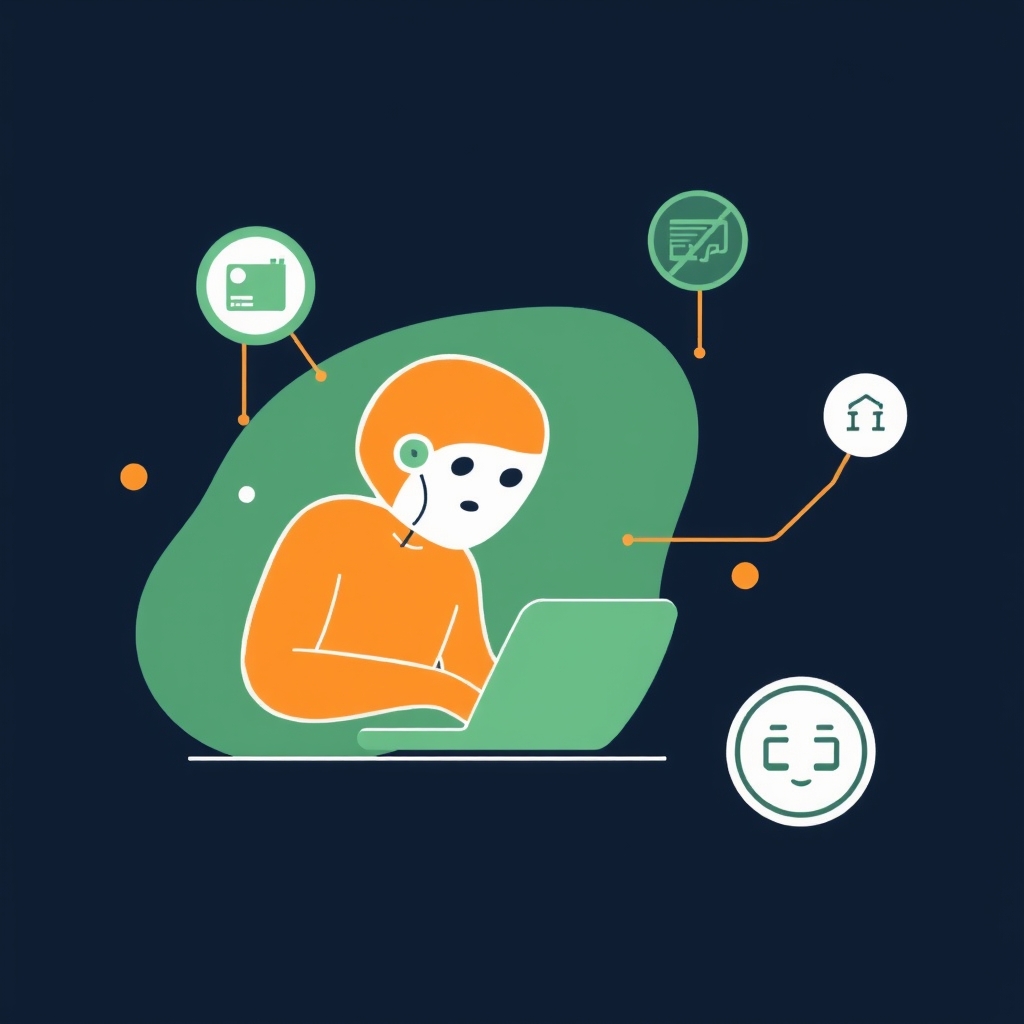
Students use natural language to collaborate with AI while programming, reshaping how coding education works.
trending_upWhy It Matters
As generative AI becomes integral to programming education, understanding how students interact with these tools is critical for educators and AI developers. This research provides empirical evidence of behavioral differences between successful and struggling students, enabling better AI interface design and more effective pedagogical strategies. The findings could reshape how universities teach programming and how AI companies optimize educational tools.
FAQ
What is vibe coding?
Vibe coding is a programming approach where students use natural language to collaborate with generative AI instead of manually writing code line-by-line, emphasizing conversational interaction over traditional coding methods.
How can this research help educators?
By identifying help-seeking patterns that distinguish high from low performers, educators can better understand how students should interact with AI tools and design more effective programming instruction strategies.