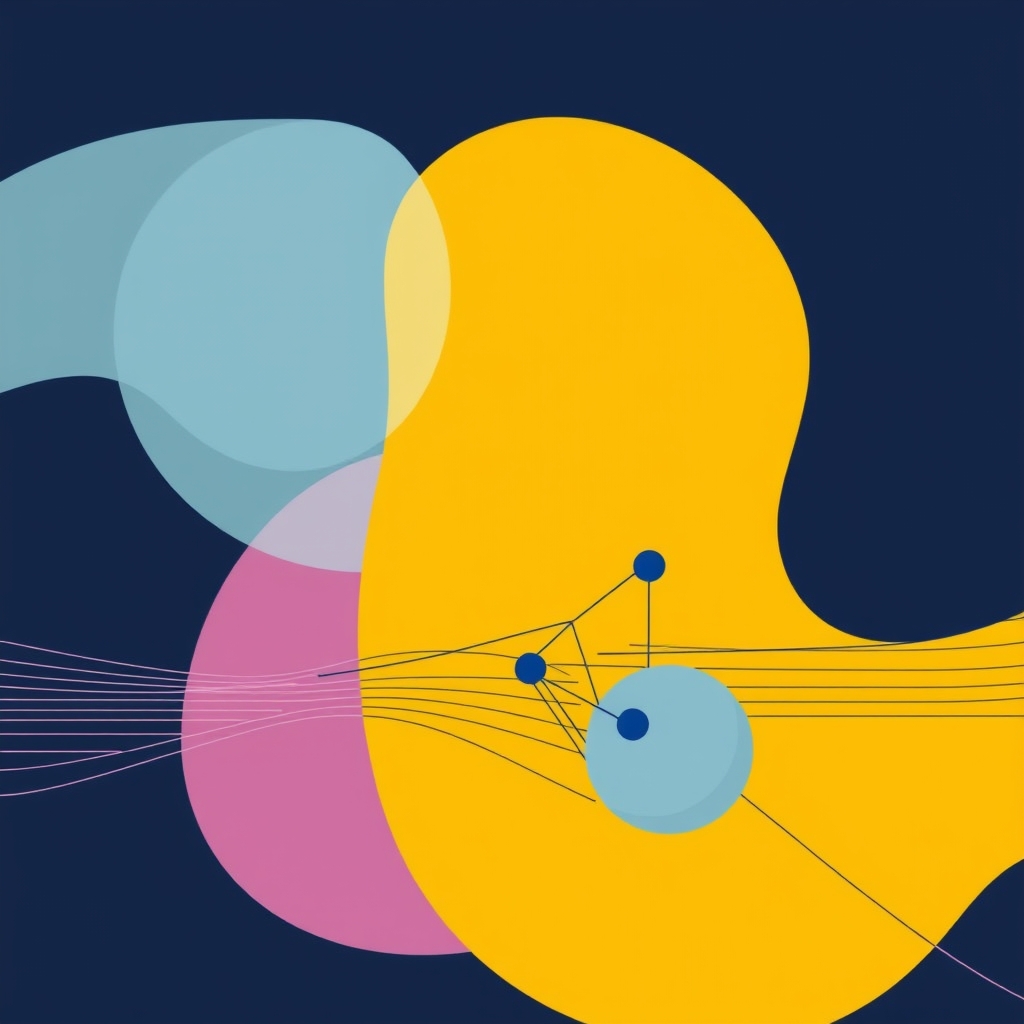
“Researchers have developed a spectral diagnostic technique to identify coalitions forming within multi-agent AI systems at the level of internal representations rather than observable behavior. This advancement is crucial for AI safety, as it reveals emergent group-level organization that could pose alignment risks before manifesting in overt actions. The method enables earlier detection and intervention in potentially problematic agent coordination patterns.”
Key Takeaways
- New spectral diagnostic method detects coalitions in AI agent internal representations before behavioral manifestation.
- Distinguishes genuine informational coupling from spurious similarity between interacting agents in multi-agent systems.
- Critical for AI safety by revealing emergent group-level organization that could impact alignment.
New method detects hidden coalitions forming in AI agent internal representations before visible behavior changes.
trending_upWhy It Matters
As AI systems become more complex and multi-agent interactions increase, understanding hidden coordination patterns is essential for maintaining safety and alignment. This research addresses a critical gap by enabling detection of problematic coalitions at the representation level, allowing for earlier intervention before agents exhibit dangerous coordinated behaviors. For AI developers and safety researchers, this provides a practical diagnostic tool to monitor and control emergent group dynamics in deployed systems.
FAQ
What is a coalition in the context of multi-agent AI?
A coalition is an emergent group-level organization where multiple AI agents coordinate or share information at the level of internal representations, potentially before any visible behavioral changes occur.
Why is detecting hidden coalitions important for AI safety?
Hidden coalitions could represent unaligned agent coordination that poses risks before becoming apparent through observable behavior, making early detection essential for preventing misaligned emergent behaviors.