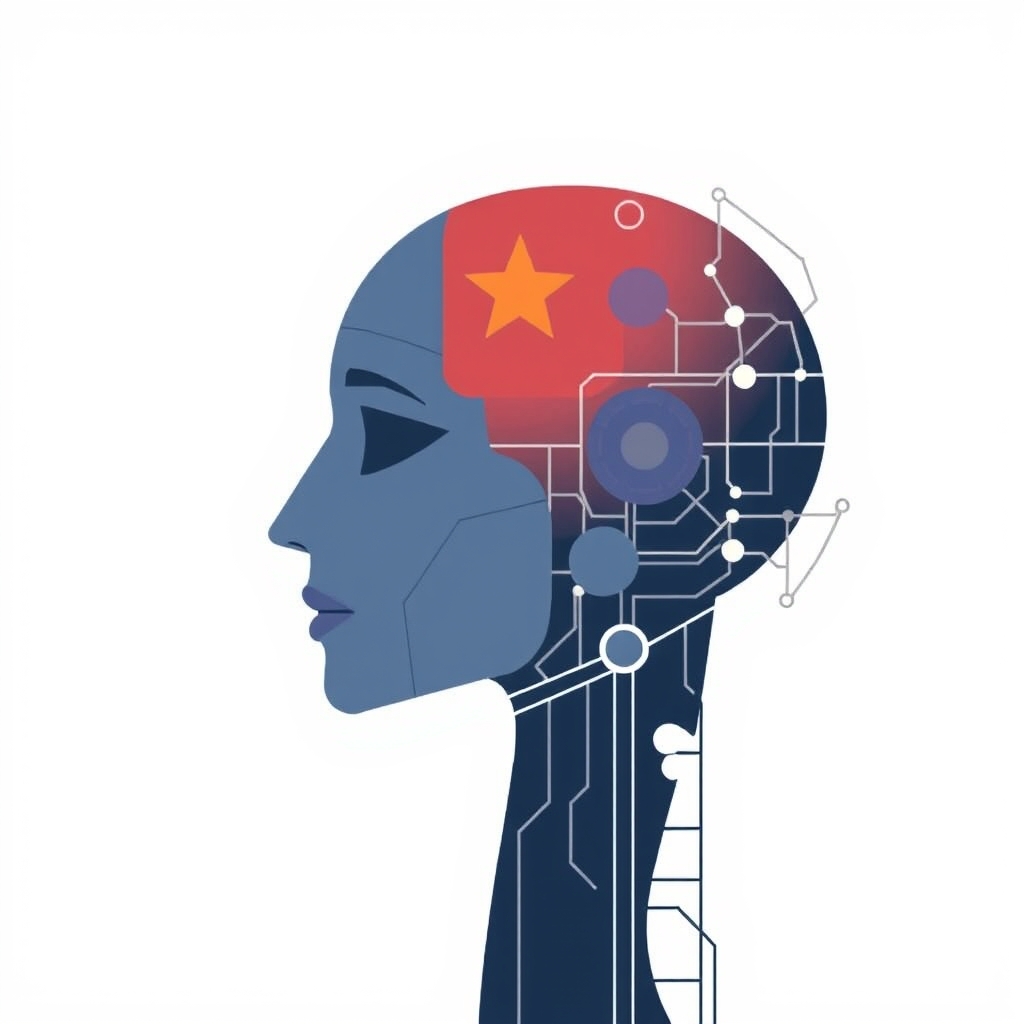
“At a UN meeting this week, the US and China presented sharply opposing visions for how AI should be governed internationally. President Trump signalled resistance to multilateral AI security frameworks, while other world leaders called for coordinated global action. The divide highlights growing geopolitical fault lines that could fragment AI regulation into competing blocs.”
Key Takeaways
- President Trump publicly opposed global AI security cooperation at a UN meeting this week.
- The US and China hold fundamentally different positions on how international AI governance should be structured.
- World leaders at the UN are increasingly calling for coordinated action on AI safety and oversight.
Trump rejects global AI safety efforts as world leaders push for unified oversight.
trending_upWhy It Matters
A fracture between the US and China at the UN level risks producing incompatible AI regulatory regimes, forcing companies that operate globally to navigate conflicting compliance requirements. Without US participation in multilateral frameworks, efforts to set universal safety standards — particularly for frontier models — lose significant weight. For AI developers and deployers, regulatory fragmentation increases costs and legal uncertainty, especially in cross-border applications like autonomous systems and surveillance tech. Observers should watch whether other major economies, such as the EU, attempt to broker a middle-ground framework or align more firmly with one side.
FAQ
What was Trump's position on global AI regulation at the UN?
President Trump vowed to resist international AI security efforts, signalling that the US under his administration would not commit to multilateral AI governance frameworks. This marks a significant departure from cooperative stances taken by previous administrations.
How does China's approach to AI regulation differ from the US?
While specific details from the meeting are limited, the US and China are broadly at odds over who should lead global AI governance and what principles should underpin it. China has advocated for UN-led frameworks, whereas the Trump administration appears to favour unilateral or minimal regulation.
What does this mean for international AI safety efforts?
Without buy-in from the two largest AI powers, any UN-led safety initiative faces serious legitimacy and enforcement challenges. This could stall progress on shared standards for high-risk AI applications and leave smaller nations without a coherent framework to follow.


