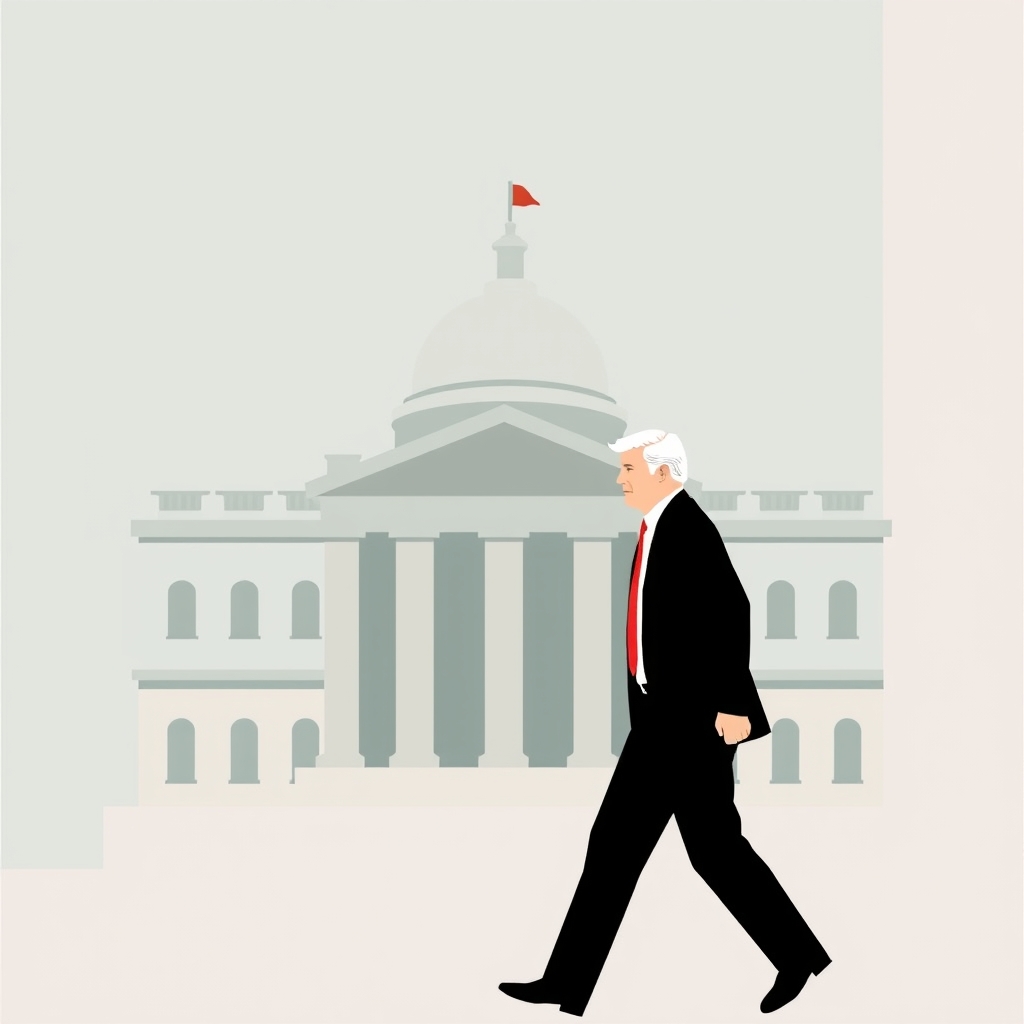
“The US is aggressively expanding AI infrastructure partnerships across Southeast Asia, but fears that advanced chips could be diverted to China are complicating those efforts. Capitol Hill is pushing new measures to curb chip smuggling, even as the semiconductor industry warns such restrictions could backfire. The tension highlights a core contradiction in US tech diplomacy: expanding AI access abroad while tightly controlling who ultimately benefits.”
Key Takeaways
- Congress is actively working to introduce measures targeting chip smuggling routes that funnel US technology to China.
- US semiconductor industry groups have warned that overly strict export controls could harm American competitiveness in Southeast Asia.
- Southeast Asian nations are emerging as key battlegrounds for US-China influence in the global AI race.
Washington races to block chip smuggling to China while courting Southeast Asian AI partners.
trending_upWhy It Matters
This tension between openness and control could slow AI infrastructure investment across a fast-growing region of 680 million people, potentially pushing Southeast Asian governments toward Chinese alternatives. If Washington's chip restrictions are perceived as too burdensome, allies may opt for Huawei or other Chinese suppliers, undermining the very influence the US seeks to build. For AI companies, tighter export rules could mean costly compliance overheads and lost contracts in markets like Vietnam, Malaysia, and Indonesia. Legislators, industry groups, and the Commerce Department will all be key players to watch as enforcement frameworks take shape in the months ahead.
FAQ
Why is chip smuggling to China a concern in Southeast Asia?
Southeast Asia's proximity to China and its growing tech infrastructure make it a potential transit point for advanced semiconductors subject to US export controls. Bad actors can route chips through third-party countries to obscure their final destination and evade detection.
What measures is Capitol Hill considering to stop chip smuggling?
Legislators are exploring tighter export licensing requirements, enhanced end-user verification, and penalties for intermediaries who facilitate diversion of controlled chips. Specific bills and enforcement mechanisms are still being debated, with industry lobbying playing a significant role in shaping the final rules.
How could these restrictions affect US AI companies operating in Southeast Asia?
Stricter controls could increase compliance costs and slow deal-making for US firms like Nvidia and Intel that are expanding into the region. If restrictions are seen as too onerous, Southeast Asian buyers may turn to Chinese chip suppliers, reducing US market share and strategic influence in a critical emerging market.