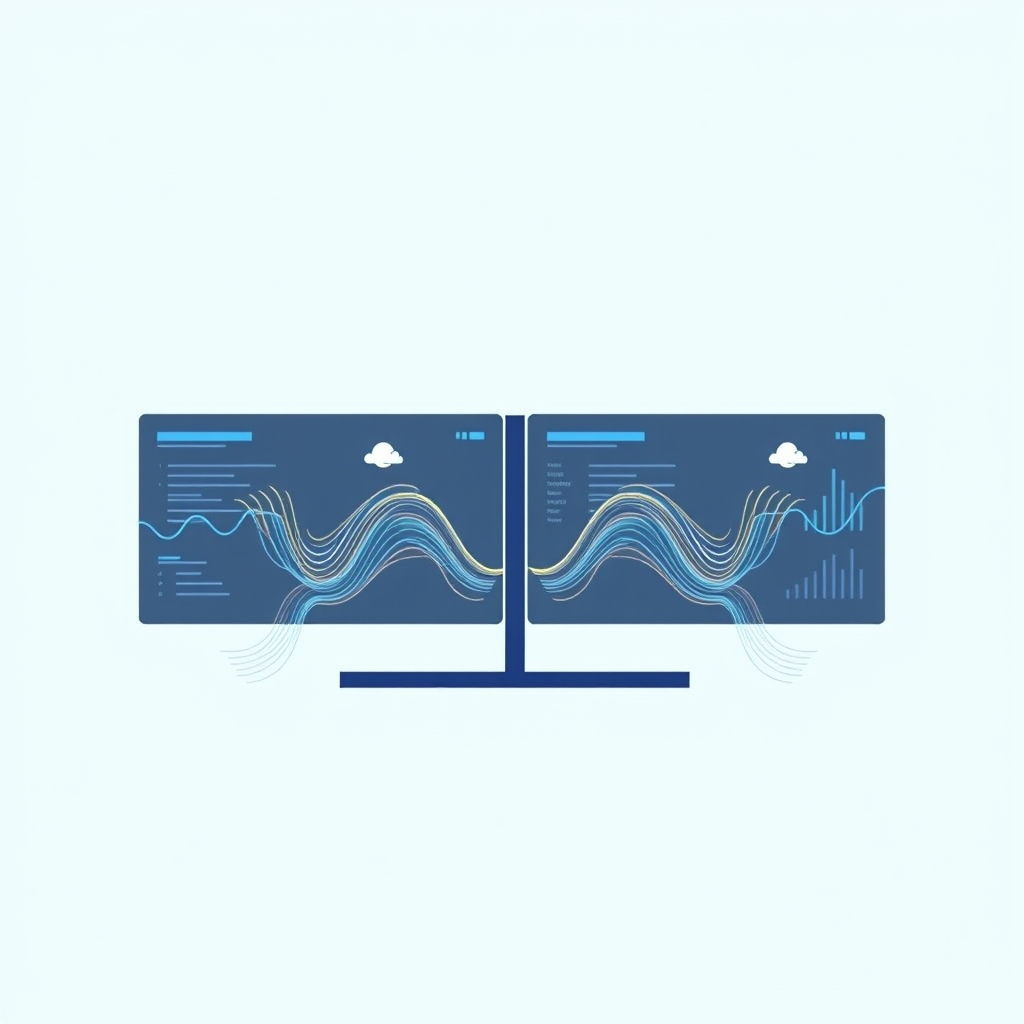
“TwinBI introduces an agentic digital-twin system that maintains consistency between LLM-assisted natural language queries and direct dashboard manipulation. The framework solves the synchronization problem that occurs when users switch between different interaction modes, preserving analytical state across filters, hierarchies, and metrics. This advancement enables more fluid, multi-step business intelligence workflows.”
Key Takeaways
- TwinBI couples LLM assistance with dashboard interaction to eliminate state desynchronization
- Framework maintains consistency across filters, hierarchies, metrics, and chart context
- Enables seamless multi-step analysis combining natural language and direct manipulation
New framework keeps AI and dashboard interactions perfectly aligned during analysis.
trending_upWhy It Matters
As enterprises increasingly rely on AI-assisted business intelligence, synchronization between different interaction modes becomes critical. TwinBI addresses a real pain point where users lose context switching between dashboards and natural language queries, improving analysis efficiency and reducing errors. This development could significantly enhance how organizations leverage LLMs for data exploration and decision-making.
FAQ
What problem does TwinBI solve?
It keeps LLM-based assistance and direct dashboard interactions synchronized, preventing users from losing analytical state when switching between these modes during multi-step analysis.
How does TwinBI maintain consistency?
The digital-twin framework couples an LLM agent with the dashboard system, preserving filters, hierarchies, metrics, and chart context across both natural language and direct manipulation interactions.