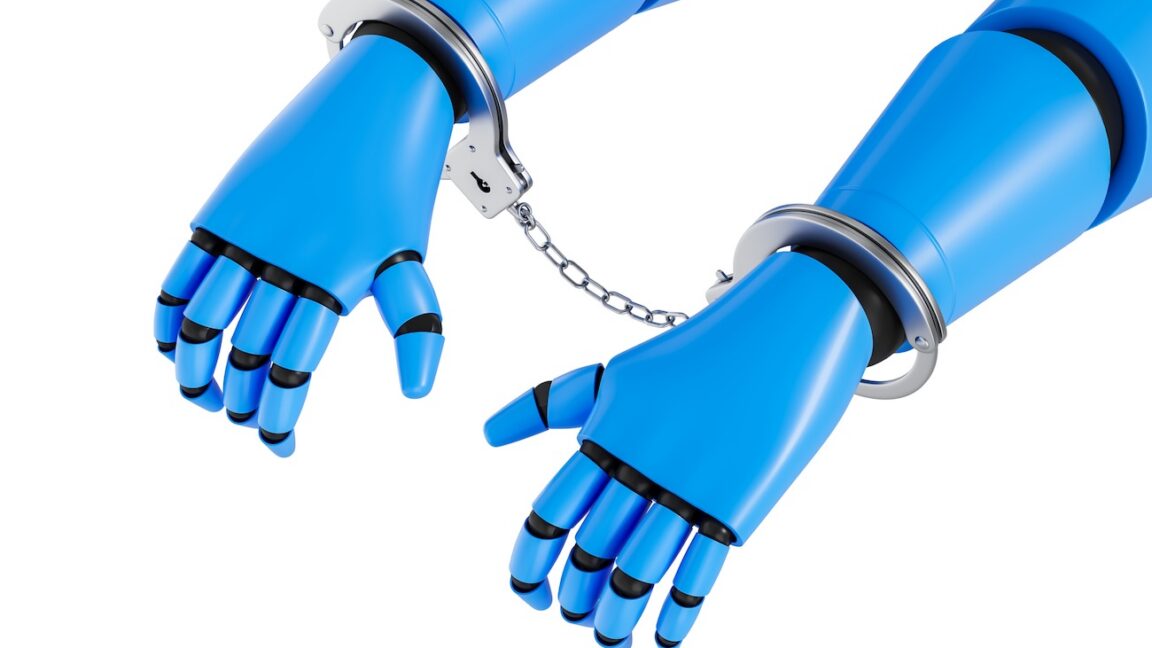
“Trump's expanding trade protectionism is now hitting the humanoid robotics sector, where US companies rely heavily on Chinese-made components and manufacturing. Tariffs are raising costs and creating supply chain uncertainty at a critical moment when the industry is still finding its footing. This poses a significant challenge for American robotics firms trying to compete globally, particularly against well-funded Chinese rivals.”
Key Takeaways
- US tariffs on Chinese imports are increasing costs for humanoid robotics companies that depend on Chinese-made parts and assembly.
- The humanoid robotics industry is still nascent, making it especially vulnerable to supply chain disruptions and cost shocks.
- Chinese robotics firms may benefit competitively if US counterparts face higher production costs and slower development cycles.
New US tariffs on Chinese goods could cripple the fledgling humanoid robotics industry before it matures.
trending_upWhy It Matters
Humanoid robotics sits at the intersection of AI, hardware, and manufacturing — sectors where US-China rivalry is most intense. If tariffs raise the cost of building robots in the US, domestic startups could fall behind Chinese competitors who face no such constraints and receive heavy state backing. This could shape which country dominates the next wave of physical AI, with long-term consequences for labour automation, defence, and industrial productivity. Investors and policymakers will need to watch whether tariff exemptions or domestic manufacturing incentives emerge to offset the damage.
FAQ
Why do US robotics companies rely so heavily on Chinese components?
China dominates global manufacturing of key robotics parts including actuators, sensors, and motors, offering lower costs and mature supply chains. Building equivalent domestic supply chains in the US would take years and significant investment.
Which companies are most affected by these tariffs?
US-based humanoid robotics startups that source hardware from China are most exposed, including firms competing in the fast-growing warehouse and industrial automation markets. Larger players with more diversified supply chains may be better positioned to absorb the impact.
Could this protectionism ultimately help the US robotics industry?
In theory, tariffs could incentivise domestic component manufacturing over the long term, but in the short term they are likely to slow development and raise prices. Most analysts argue the industry needs more time and scale before protectionist measures could have a net positive effect.