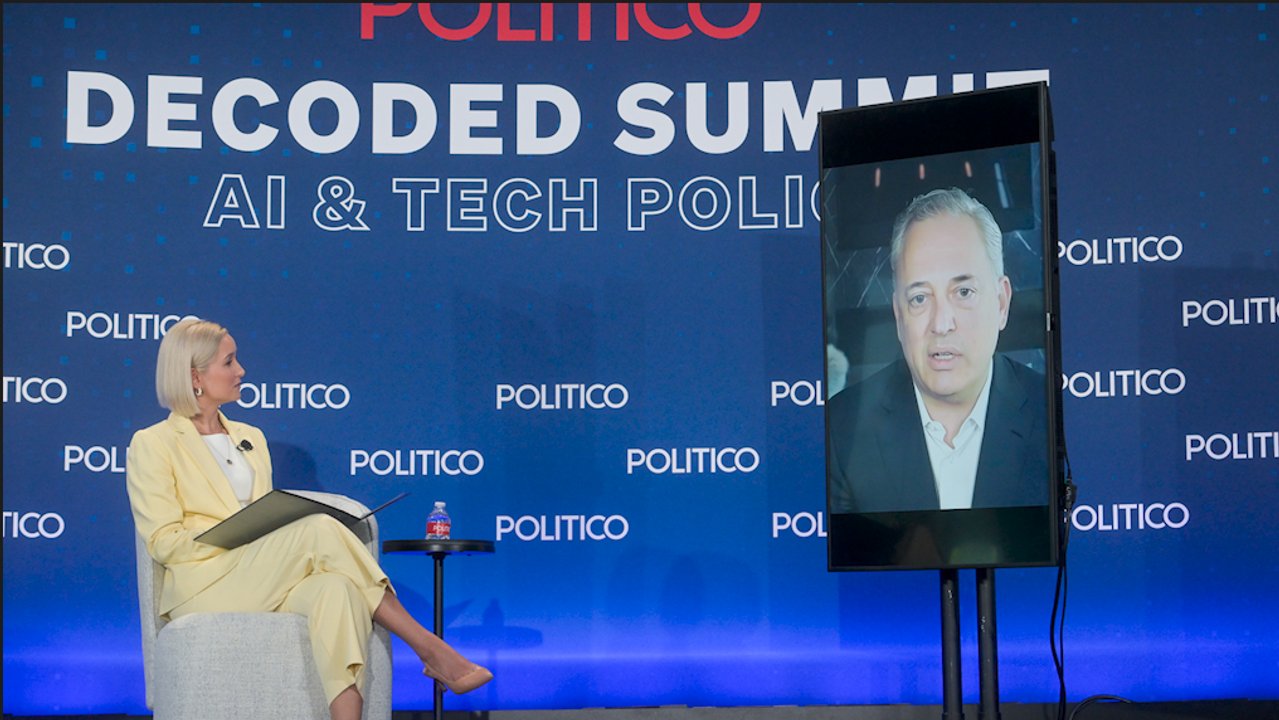
“The chair of the president's Council of Advisors on Science and Technology has dismissed fears of an AI apocalypse as a hoax, aligning with former FTC chair Lina Khan's view that current liability laws are adequate to handle AI safety risks. This marks a notable moment of bipartisan convergence on AI regulation, with figures from opposing political camps agreeing that new sweeping legislation may not be necessary. The stance signals the Trump administration's preference for a light-touch regulatory approach to AI governance.”
Key Takeaways
- Trump's Council of Advisors on Science and Technology chair publicly called AI apocalypse fears a 'hoax'.
- The advisor endorsed Lina Khan's position that existing liability laws can adequately address AI safety concerns.
- The alignment between Trump's science council and Khan suggests rare bipartisan consensus against new AI-specific legislation.
The White House's top science advisor says AI doomsday fears are overblown and existing laws suffice.
trending_upWhy It Matters
This framing from within the White House science apparatus could significantly weaken momentum for standalone federal AI safety legislation, pushing responsibility instead onto courts and existing tort or product liability frameworks. AI developers may face less regulatory overhead in the short term, but could face unpredictable litigation exposure without clear statutory guardrails. The dismissal of existential AI risk by a senior government advisor also risks sidelining longer-term safety research from federal funding priorities. Watchers should monitor whether Congress pushes back or whether this view consolidates into formal White House AI policy guidance.
FAQ
Who is Trump's AI czar and what is their role?
Trump's AI czar refers to the chair of the president's Council of Advisors on Science and Technology, a senior advisory body that shapes White House policy on science and emerging technology. The role carries significant influence over how the administration frames and responds to AI-related risks and opportunities.
Why is Lina Khan's position on AI liability significant here?
Lina Khan, the progressive former FTC chair appointed under Biden, argued that existing liability and consumer protection laws are sufficient to govern AI harms without new legislation. Her alignment with a Trump administration official is surprising given their political differences, and lends the 'no new laws needed' argument broader credibility.
Does this mean the US won't regulate AI at the federal level?
Not necessarily, but it signals the Trump administration is skeptical of creating new AI-specific safety legislation, preferring to rely on existing legal frameworks. This contrasts with the EU's AI Act approach and could widen the transatlantic regulatory gap, affecting multinational AI companies operating in both markets.


