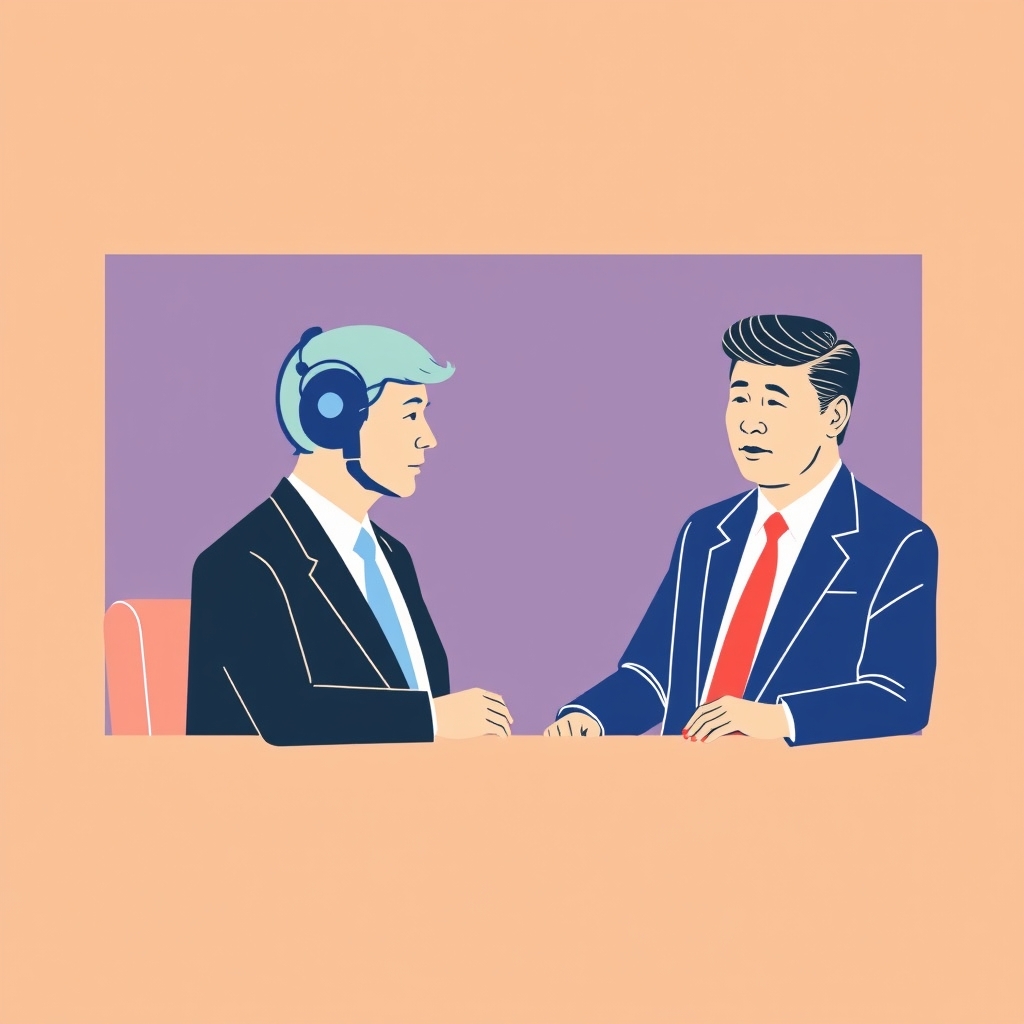
“Tech billionaire Peter Thiel has criticised Pope Leo XIV's encyclical calling for AI regulation, arguing it risks slowing Western AI development while China accelerates unconstrained. Thiel framed the papal document as inadvertently beneficial to the Chinese Communist Party. The clash highlights growing tensions between ethical AI governance frameworks and geopolitical competitiveness.”
Key Takeaways
- Peter Thiel publicly condemned Pope Leo XIV's AI encyclical, calling it a strategic gift to the CCP.
- The pope's encyclical calls for international regulation of artificial intelligence on ethical grounds.
- Thiel argues Western AI regulation creates an asymmetric disadvantage against China, which faces no such constraints.
Peter Thiel warns the pope's AI regulation call could hand China a decisive tech advantage.
trending_upWhy It Matters
The debate over AI regulation is increasingly framed through a geopolitical lens, and Thiel's intervention signals that influential tech figures will actively resist governance frameworks they see as weakening the West's competitive position. If this argument gains traction in Washington, it could stall or weaken legislative efforts to impose safety or ethical guardrails on AI development. The Catholic Church's entry into AI policy via a formal encyclical is historically significant and may influence lawmakers in heavily Catholic regions, including parts of Europe and Latin America. Practitioners and policymakers should watch whether the Vatican's stance catalyses a broader coalition of civil society voices pushing back against unchecked AI deployment.
FAQ
What is an encyclical, and why does it matter for AI policy?
An encyclical is a formal letter issued by the pope carrying significant moral authority within the Catholic Church, which has over 1.3 billion members worldwide. When it addresses a topic like AI, it can shape public opinion and political will in countries where Catholic social teaching influences governance.
What specifically did Pope Leo XIV's encyclical say about AI?
The encyclical called for the regulation of artificial intelligence, emphasising ethical considerations and the need for international oversight frameworks. It represents one of the most high-profile religious interventions in the AI governance debate to date.
Is Thiel's argument that regulation helps China a widely held view?
It is a common argument among some Silicon Valley figures and national security hawks, who contend that regulatory friction in democracies creates a strategic opening for China's state-backed AI programmes. Critics counter that safety standards and public trust are prerequisites for sustainable AI adoption, not obstacles to competitiveness.