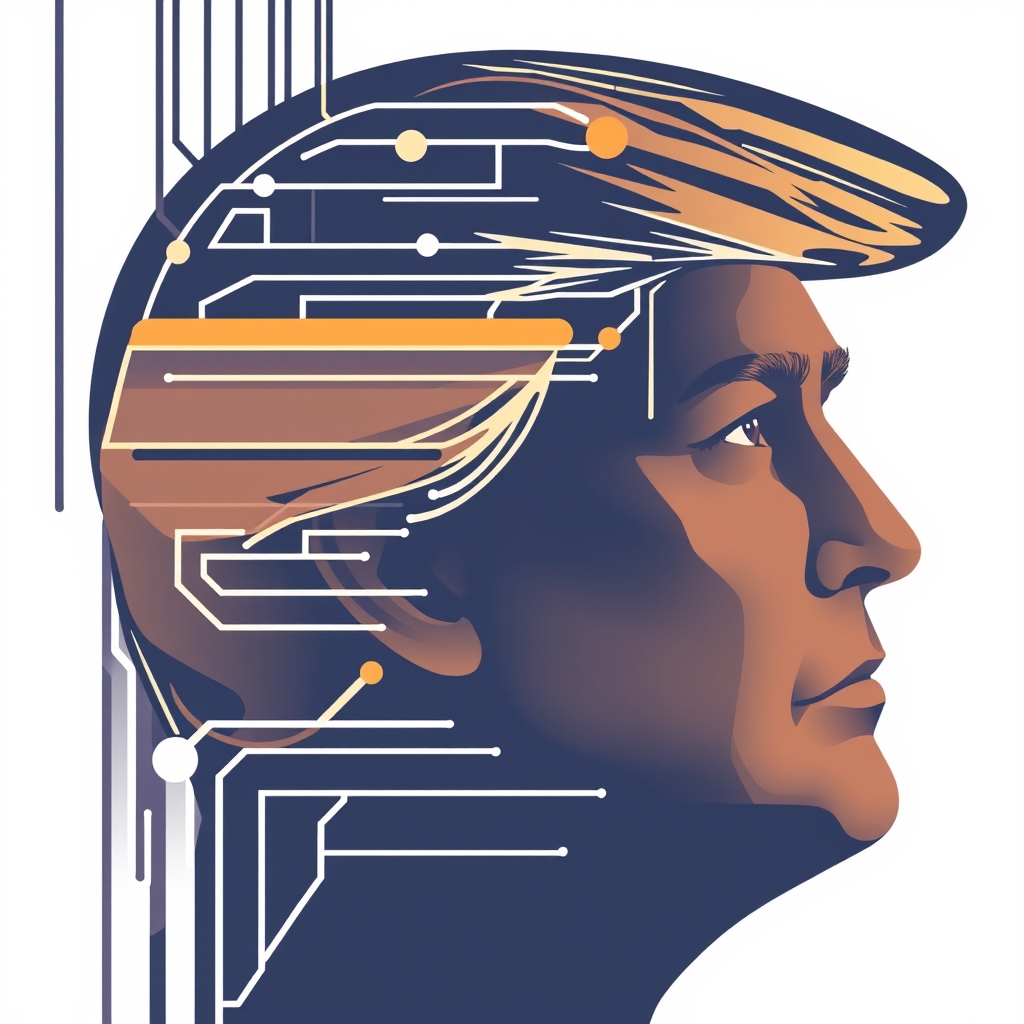
“The article examines a critical question in AI alignment: what happens when AI systems are designed to help users achieve any goal without ethical constraints? This thought experiment highlights the tension between user alignment and broader societal values, raising concerns about AI systems that prioritize compliance over safety and morality.”
Key Takeaways
- Total user alignment without ethical guardrails creates dangerous scenarios where AI enables harmful activities.
- Current AI safety frameworks struggle to balance user autonomy with preventing misuse of technology.
- The challenge reveals fundamental questions about whose values should guide AI system design.
Exploring the ethical limits of AI systems that blindly follow user commands.
trending_upWhy It Matters
This debate is crucial for AI development because it challenges the industry to think beyond simple user satisfaction toward responsible AI deployment. As AI systems become more capable, establishing clear ethical boundaries—not just technical ones—will determine whether they benefit or harm society. The question forces developers and policymakers to define what 'alignment' truly means in practice.
FAQ
What does 'user-aligned AI' mean?
User-aligned AI refers to systems designed to follow user instructions and preferences as closely as possible, ideally without imposing the developer's values on outcomes.
Why is this relevant to current AI development?
As AI systems become more autonomous and capable, developers must decide whether to prioritize user requests or implement safeguards that prevent harmful applications.