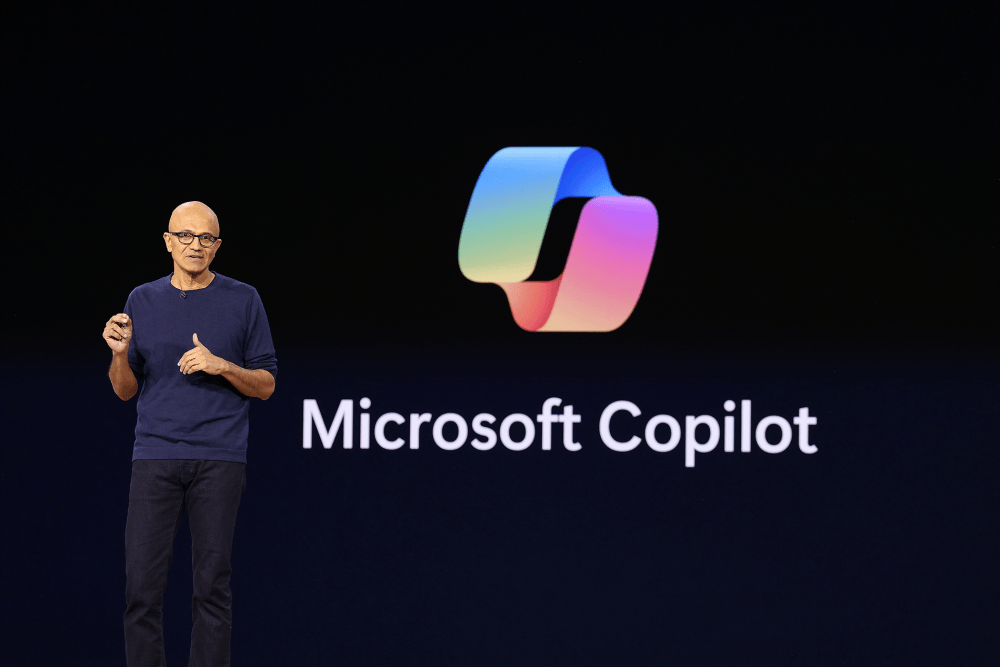
“Satya Nadella published a post calling for a fundamental reassessment of how trust is built into AI systems, including the need for an 'emergency brake' capability. The statement signals that even leading AI developers are acknowledging gaps in current safety frameworks. For the industry, this is a notable admission that deployment speed may have outpaced safety infrastructure.”
Key Takeaways
- Satya Nadella published his call for AI safety controls on a Saturday, suggesting urgency outside normal corporate communications cycles.
- Nadella specifically used the phrase 'emergency brake,' implying a need for hard stop mechanisms in deployed AI systems.
- He framed the issue as a 'trust architecture' problem, pointing to systemic design concerns rather than individual product failures.
Microsoft's CEO says AI systems urgently need new trust architecture and safety controls.
trending_upWhy It Matters
When the CEO of one of the world's largest AI investors publicly calls for braking mechanisms, it carries significant weight for regulators, competitors, and enterprise customers evaluating AI adoption. This could accelerate pressure on the EU AI Act's implementation and influence how US policymakers approach AI oversight legislation. For enterprise buyers, it raises questions about whether current Microsoft AI products — including Copilot — meet the safety bar Nadella is now describing. Developers and AI practitioners should watch whether this rhetoric translates into concrete product changes or API-level controls in Microsoft's ecosystem.
FAQ
What does Nadella mean by an 'emergency brake' for AI?
An emergency brake would likely be a mechanism to rapidly halt or constrain an AI system's actions if it behaves dangerously or unexpectedly. The specific technical implementation has not yet been detailed, but the concept mirrors similar 'kill switch' discussions in AI safety research.
Does this mean Microsoft thinks its current AI products are unsafe?
Nadella framed the issue as a forward-looking architectural concern rather than a direct admission of existing product failures. However, the public call does implicitly acknowledge that current trust frameworks across the industry — including Microsoft's — require improvement.
Why does it matter that Nadella posted this on a Saturday?
Corporate communications from CEOs are typically scheduled for maximum business-day impact, so a weekend post can suggest the message was driven by urgency or a specific triggering event. It may also indicate Nadella was responding to a recent development or internal discussion that warranted prompt public comment.