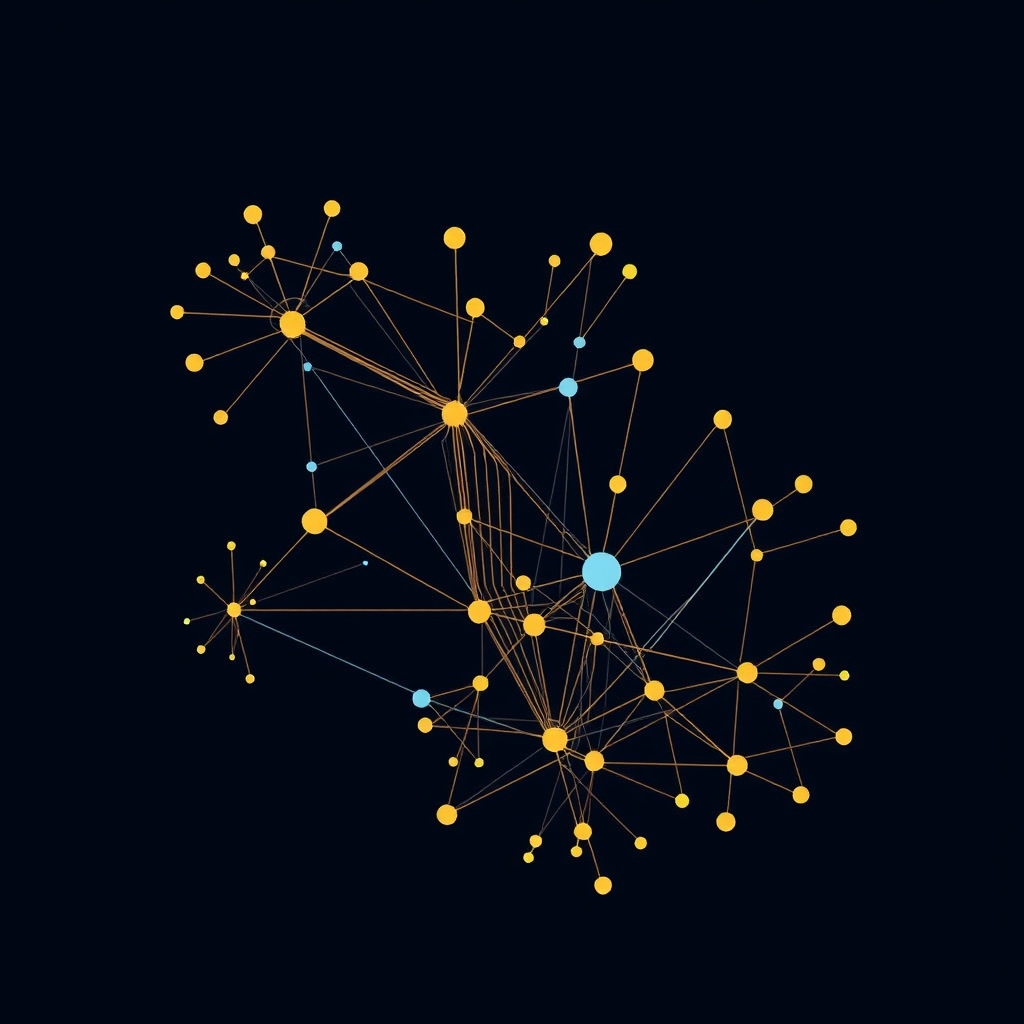
“Researchers are moving beyond analyzing individual algorithms in isolation, instead constructing co-occurrence networks to understand how algorithms interconnect and collectively influence AI research. By examining full-text academic papers, they reveal that algorithm influence extends far beyond popularity metrics, showing complex relationships that shape the field's direction. This network-based approach provides deeper insights into algorithm adoption patterns and scientific trends in NLP and beyond.”
Key Takeaways
- Study maps algorithm co-occurrence networks using full-text papers to reveal collective influence patterns
- Focuses on NLP algorithms, moving beyond isolated algorithm evaluation to understand interconnections
- Network analysis reveals how algorithms influence each other and shape scientific research directions
New study maps algorithm relationships to uncover collective scientific influence.
trending_upWhy It Matters
Understanding algorithm influence through network relationships helps researchers and practitioners grasp which tools are truly foundational versus trendy. This approach enables better decision-making about algorithm adoption and reveals emerging research directions shaped by algorithm ecosystems. As AI becomes increasingly central to science, mapping these relationships provides crucial intelligence for research strategy and development priorities.
FAQ
Why study algorithm co-occurrence instead of individual algorithm popularity?
Co-occurrence networks reveal how algorithms build on and influence each other, providing a more complete picture of scientific impact than isolated metrics alone.
How does this research apply to NLP specifically?
By analyzing full-text papers in NLP, researchers can identify which algorithms work together, trend together, and form the foundational ecosystem driving the field forward.