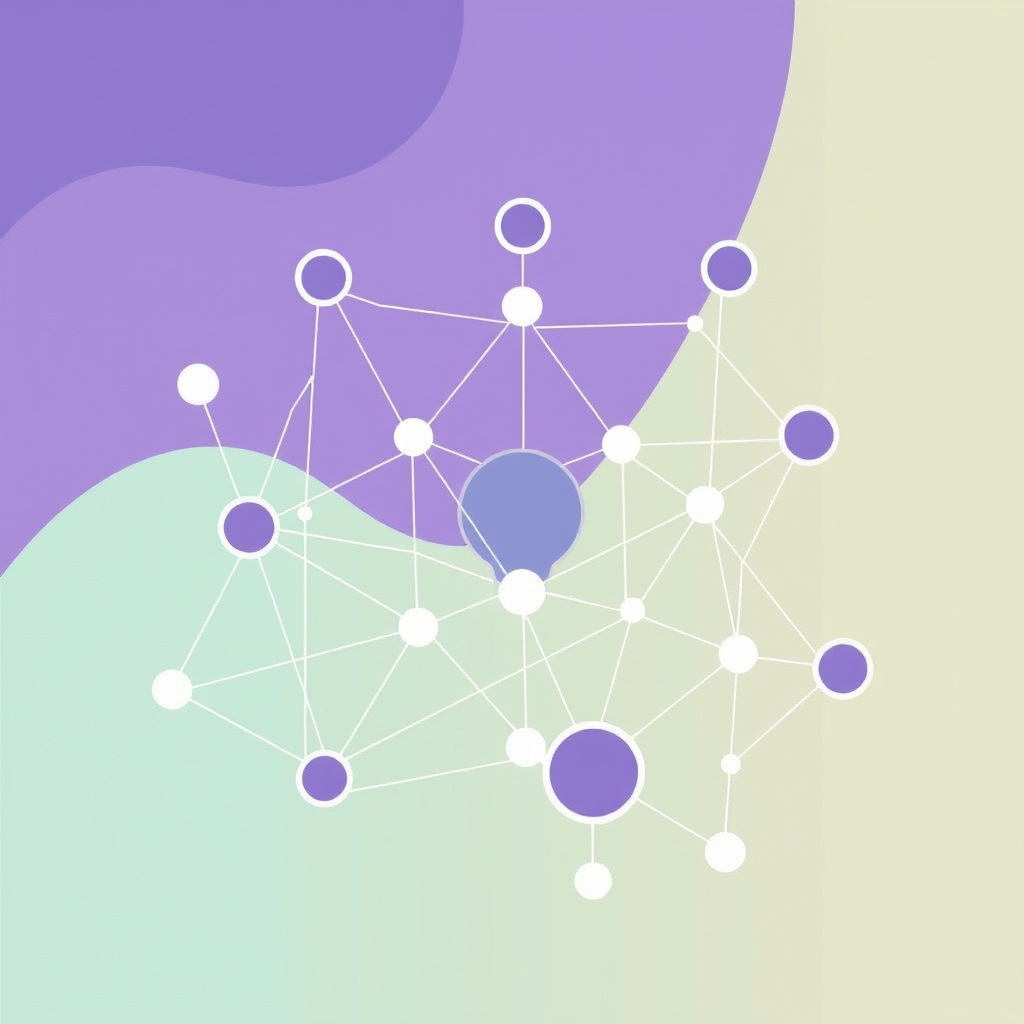
“A new paper explores distributed general-purpose agent networks where multiple autonomous agents collaborate in open peer-to-peer systems. This advancement moves beyond single-agent limitations by enabling agents to share data, tools, and resources across governance boundaries, unlocking more capable and flexible AI systems.”
Key Takeaways
- Single agents are limited by local data, tools, permissions, and governance boundaries.
- Distributed peer-to-peer agent networks enable heterogeneous agents to collaborate openly.
- This architecture could unlock more capable autonomous AI systems for complex tasks.
Researchers propose peer-to-peer networks enabling autonomous AI agents to collaborate across boundaries.
trending_upWhy It Matters
As AI agents become increasingly autonomous, the ability to coordinate across organizational and technical boundaries becomes critical. Distributed agent networks could enable enterprises to build more powerful AI systems by pooling resources and capabilities. This research addresses a fundamental scalability challenge in moving autonomous AI from isolated systems to interconnected, collaborative networks that better reflect real-world complexity.
FAQ
How do distributed agent networks differ from single autonomous agents?
Distributed networks allow multiple agents to share data, tools, and resources across organizational boundaries, overcoming the constraints of isolated single agents operating within limited local environments.
What are the main challenges in building these peer-to-peer agent systems?
Key challenges include managing heterogeneous agent types, maintaining governance across organizations, ensuring security and trust, and coordinating multi-agent task execution across distributed systems.