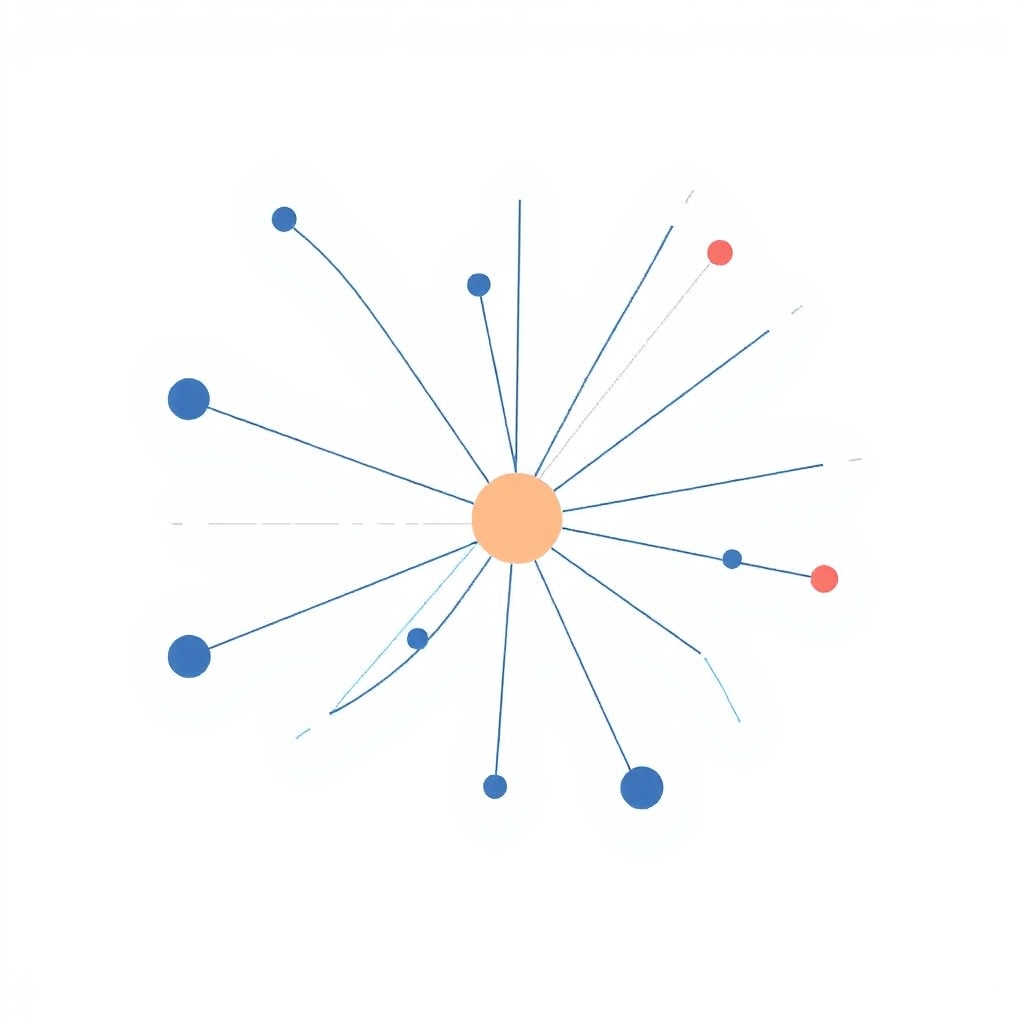
“A new research paper argues that AI-for-science systems should mimic how human scientific teams work—combining diverse perspectives, expertise, and knowledge—rather than scaling single reasoning processes. The approach uses active shared context graphs to enable multiple AI agents with different priors and domain expertise to collaborate effectively, promising better solutions to challenging scientific problems.”
Key Takeaways
- Single AI reasoning models struggle with complex science; team-based approaches are more effective.
- Active shared context graphs enable multiple AI agents to share knowledge and different expertise.
- The system mimics successful human scientific teams with diverse backgrounds and intuitions.
Research shows collaborative AI systems outperform single reasoning models on complex scientific problems.
trending_upWhy It Matters
This research challenges the dominant scaling paradigm in AI-for-science by showing that collaboration between specialized agents may be more valuable than raw model size or context length. For researchers and organizations building AI tools for scientific discovery, this suggests a shift toward multi-agent architectures that leverage diverse expertise rather than betting everything on single powerful models.
FAQ
How do active shared context graphs work?
They allow multiple AI agents to maintain and access shared knowledge representations, enabling each agent to contribute unique perspectives while building on collective insights from the team.
Why is team-based AI better for science than single agents?
Scientific breakthroughs typically require combining different expertise, experimental knowledge, and domain intuitions—something human teams excel at and what this networked approach aims to replicate in AI systems.