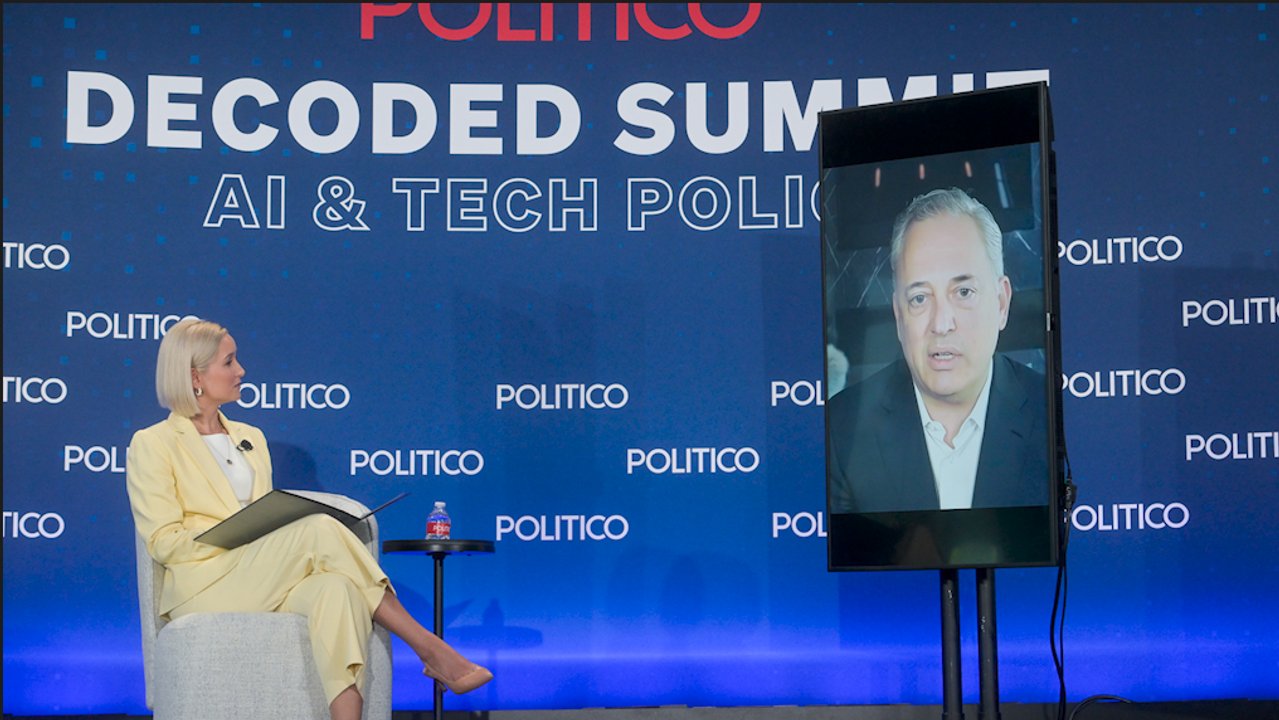
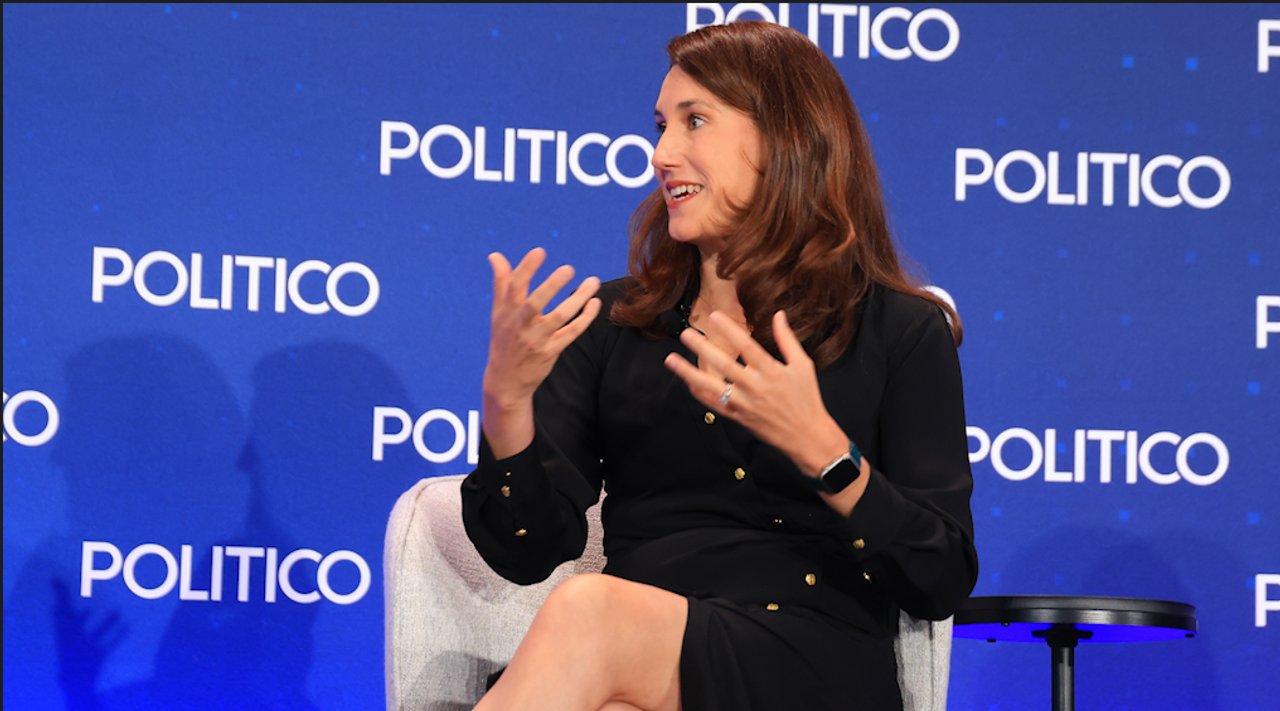
“A moment of cross-sector agreement on AI's existential dangers is giving way to deeper divisions, as revealed at the POLITICO Decoded Summit. Lawmakers, tech executives, and industry experts are struggling to find common ground on how to regulate or even define AI's risks. The breakdown signals that any coordinated policy response to AI safety may be further away than it appeared.”
Key Takeaways
- The POLITICO Decoded Summit exposed sharp disagreements among policymakers, tech leaders, and experts on AI risk.
- An earlier moment of rare consensus around AI's existential dangers has effectively collapsed.
- No clear legislative or industry-led framework for addressing AI's most serious risks has emerged.
The rare unity over AI's existential risks is splintering among lawmakers, executives, and experts.
trending_upWhy It Matters
The erosion of consensus on AI safety is significant because unified political will is often a prerequisite for meaningful regulation. Without it, the US risks falling into a prolonged stalemate similar to past debates over social media governance, where concern never translated into law. This fracture gives AI companies more room to self-regulate — or not — while potentially leaving the public exposed to unchecked risks. Observers should watch whether the EU AI Act creates external pressure that forces US stakeholders back to the table.
FAQ
What caused the initial moment of unity on AI risks?
A wave of concern following advances in generative AI — particularly GPT-4's release in 2023 — prompted rare agreement among legislators, researchers, and some tech executives that AI posed serious, even existential, risks. That shared alarm briefly created political momentum for regulatory action.
Why has the consensus broken down?
Disagreements have emerged over how to define AI risk, who should regulate it, and how strict any rules should be. Tech companies concerned about innovation competitiveness and lawmakers with conflicting priorities have struggled to maintain the common ground that briefly existed.
What does this mean for AI regulation in the US?
The collapse of consensus makes comprehensive federal AI legislation significantly harder to pass in the near term. It increases the likelihood of a fragmented landscape of state-level rules and voluntary industry commitments, rather than a unified national framework.