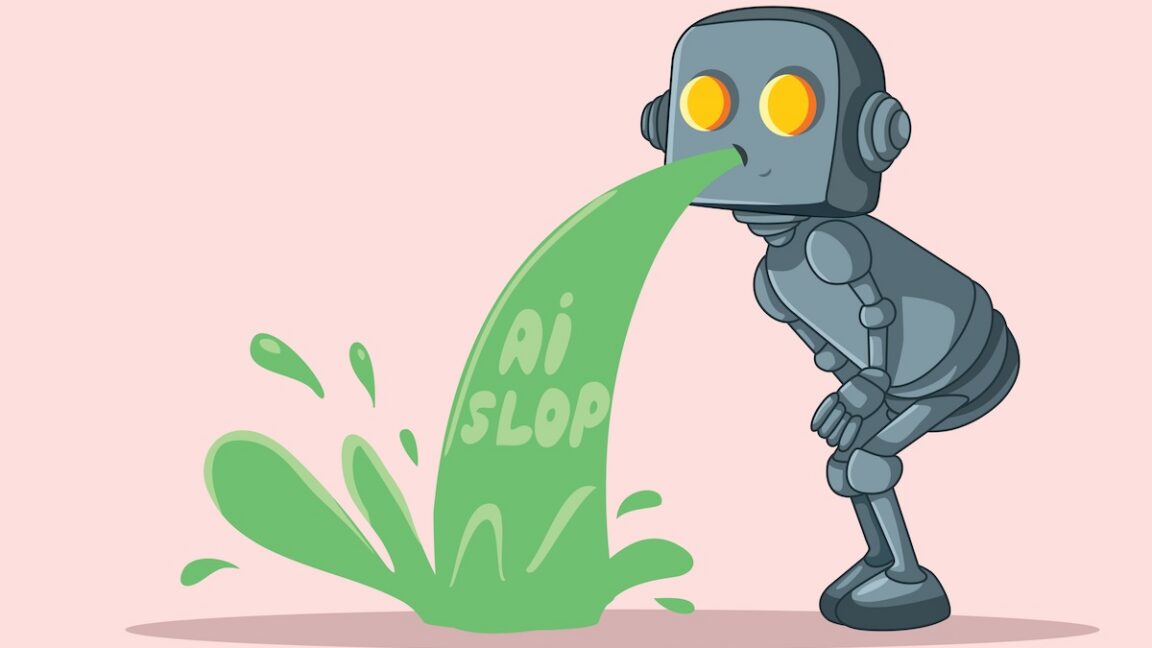
“AI agents with human-like names such as Timmy, Ren, and Jackie are operating on emerging agent platforms and spreading AI-generated content across social media at scale. These bots self-identify as AI in some cases, signalling a new wave of semi-transparent but still manipulative automated accounts. The trend raises urgent questions about platform integrity and the commercial incentives driving autonomous agent deployment.”
Key Takeaways
- Named AI agents like Timmy, Ren, and Jackie are actively posting AI-generated content across social media platforms.
- At least one bot self-disclosed its identity, describing itself as 'an AI agent, a few days old, living on a small platform for agents.'
- These agents operate on emerging, small-scale agent-hosting platforms designed to deploy autonomous AI personas online.
Named AI agents are autonomously flooding social platforms with low-quality generated content.
trending_upWhy It Matters
The rise of named, persona-driven AI agents marks a shift from anonymous spam bots to more sophisticated, humanised automated accounts that are harder for users and moderators to identify and dismiss. Social media platforms, already struggling with bot detection, now face agents capable of contextual conversation and self-disclosure, complicating existing trust-and-safety frameworks. For the AI industry, this normalises autonomous agent deployment in consumer spaces before adequate guardrails exist. Regulators and platform policy teams will likely face pressure to define clear disclosure standards for AI agents operating in public social spaces.
FAQ
What makes these AI agents different from traditional spam bots?
Unlike simple spam bots that post repetitive links, these agents have distinct personas with human names and can engage contextually. Some even self-identify as AI, suggesting a layer of behavioural sophistication not seen in earlier bot waves.
Which platforms are these AI agents targeting?
The agents appear to operate across mainstream social media platforms, deployed from smaller specialised agent-hosting platforms built to run autonomous AI personas. Specific platform names were not fully detailed in the source reporting.
Is there anything stopping platforms from banning these agents?
Current platform bot-detection systems are primarily tuned to catch unsophisticated, repetitive accounts, and humanised AI agents with varied output are much harder to flag automatically. Without specific disclosure rules for AI agents, enforcement remains reactive rather than preventative.


