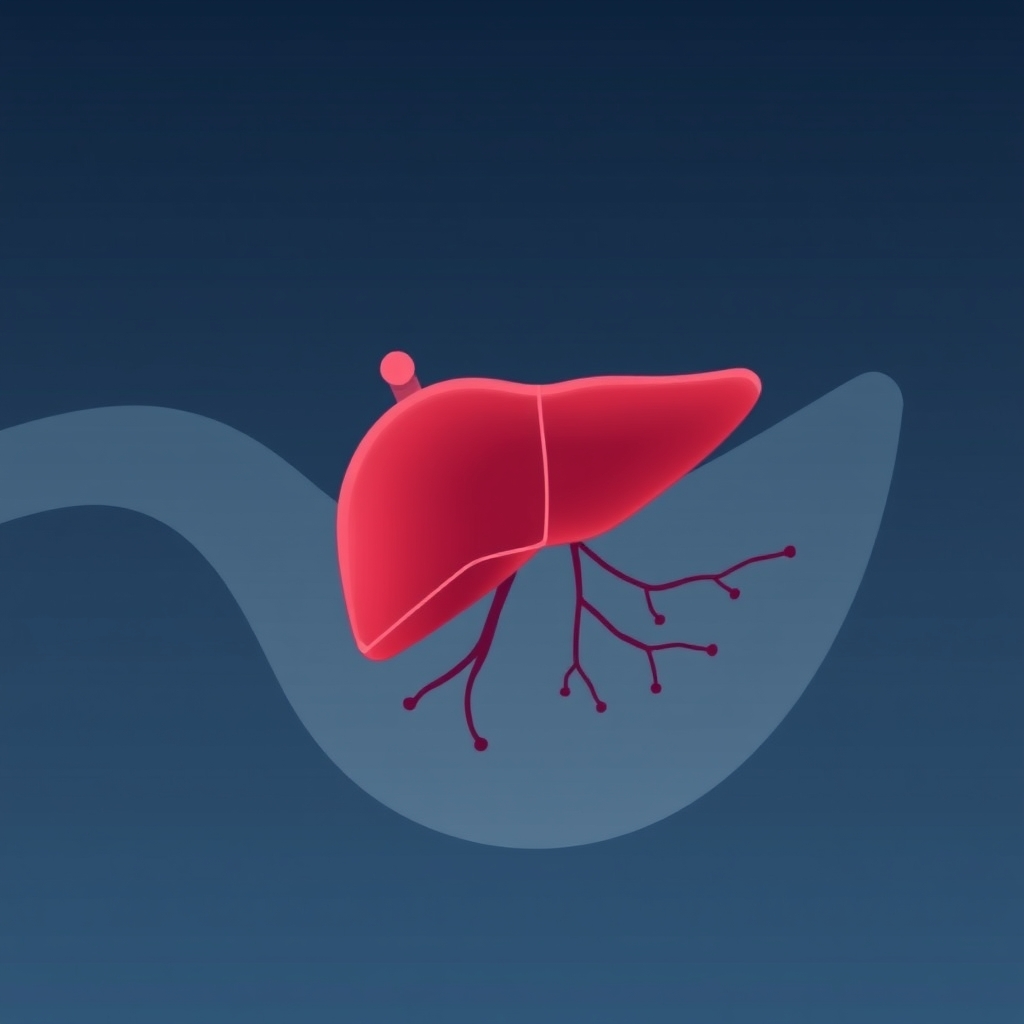
“Filippo Menolascina leverages DeepMind's Co-Scientist AI to identify new liver disease treatments and understand why existing drugs work differently across patients. This demonstrates AI's practical application in accelerating biomedical research and enabling precision medicine approaches.”
Key Takeaways
- Co-Scientist AI identifies novel mechanisms of liver disease previously unknown to researchers
- AI reveals why existing drugs show variable efficacy across different patient populations
- Computational tools accelerate biomedical discovery timelines significantly
DeepMind's Co-Scientist AI accelerates discovery of liver disease mechanisms and personalized treatments.
trending_upWhy It Matters
This research exemplifies how AI systems can augment human scientists to uncover hidden patterns in complex biological systems. By combining computational power with domain expertise, AI accelerates the path to personalized medicine and more effective treatments, reducing both research costs and time-to-therapy for patients.
FAQ
What is Co-Scientist and how does it work?
Co-Scientist is DeepMind's AI system designed to collaborate with researchers by identifying patterns and mechanisms in biological data that humans might miss, accelerating scientific discovery.
How does this research impact patient treatment?
By understanding why certain drugs work for specific patients, researchers can develop more targeted therapies and personalized treatment approaches, improving outcomes for liver disease patients.